I routinely give out advice that it’s difficult to present at a conference that you’re also organizing, but given that the DSN leadership team are so supportive and excellent at multi-tasking, I thought it was worth the risk at the DSN@10 Where Are We Now virtual conference in November 2021. It was an opportunity to showcase and gather feedback on a developing collaboration that arose unexpectedly during the Alcohol, Race and Ethnicity project on the history of alcohol in Brazil. Not being able to read or speak Portuguese, I never anticipated writing about Brazil during this project, even though its 400-year involvement in trans-Atlantic slavery and the slave trade meant it was likely that Brazil had much to tell us about the relationship between alcohol, racial stereotypes and ideas about race in the modern world.
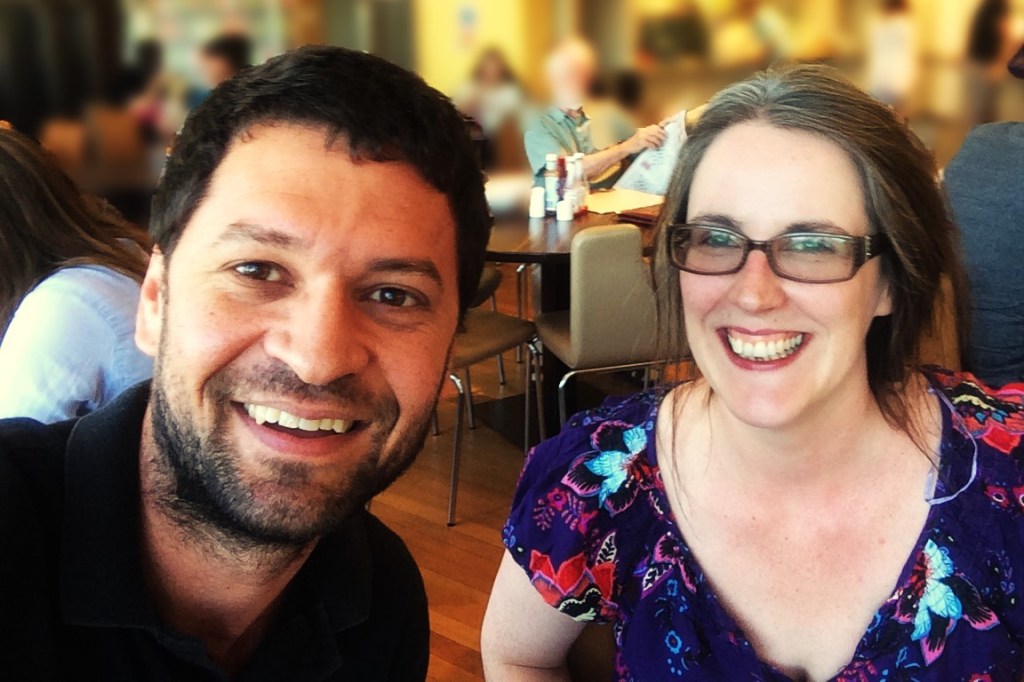
So, when Lucas Avelar asked me to co-author a book chapter on Brazil’s alcohol history that he was writing for The Routledge Companion to Intoxicants and Intoxication in the summer of 2021, I thought it was a great opportunity to expand the geographical focus of the project. Lucas and I first started working together when he spent several months at the University of Leicester as a visiting researcher in 2018, as his doctoral thesis on the history of taverns in Brazil was still taking shape. That PhD has since been completed at the University of Sāo Paulo and Lucas is also a professor at the University of Roraima.
We decided to use the conference presentation to outline the overall argument of the planned chapter, which traced a process of change in the relationship between alcohol, slavery and race from the mid to late eighteenth century to the early twentieth century. Since that’s a bit of a mouthful, we used the historian’s classic get-out-of-jail-free chronological term of choice – the long nineteenth century – to describe our time period.
Our first main argument was that alcohol was deeply intertwined in the economic development of the colony, the trans-Atlantic slave trade, and the system of slavery. Brazilian rum – or cachaça – was a major by-product of the sugar plantations on which the majority of enslaved persons worked until the late eighteenth century. Until the early nineteenth century, which brought Independence to Brazil, colonial state concerns about how alcohol might have facilitated clandestine activities of enslaved people were largely overshadowed by its economic importance, alongside understandings of distilled spirits as healthful and conducive to enduring hard labour.
Some ideas about African people being innately susceptible to drunkenness had started circulating amongst missionaries in the later colonial period, and our second argument outlined how such ideas became more widespread and more explicitly racialized during the first half of the nineteenth century, when slavery expanded dramatically in Brazil.
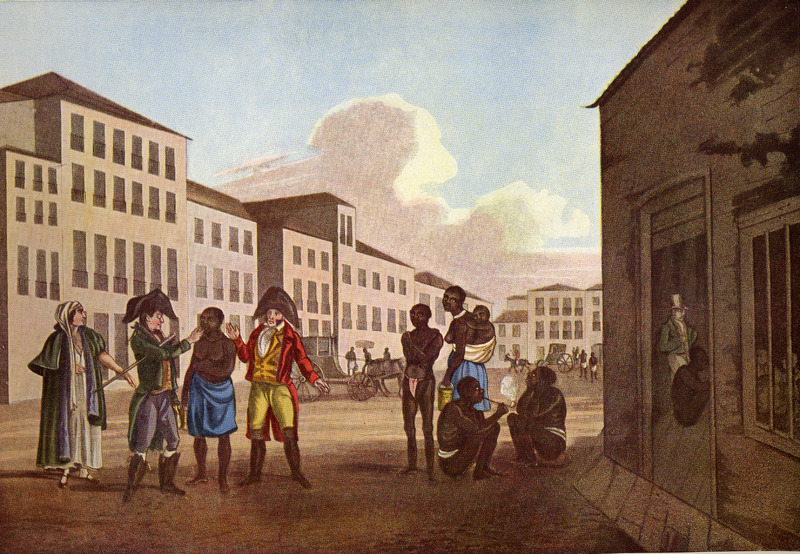
We interpreted the heightened restrictions on public drinking, criminalisation of public drunkenness, and increased surveillance of taverns from the 1820s-30s, alongside published treatises on slavery and the slave trade, as evidence that justifications for slavery were increasingly based on claims of racial inferiority. An important element of those claims of racial inferiority were based on the supposed inability of African and African-descendant people to control their consumption of alcohol or their behaviour while consuming alcohol.
Finally, we concluded the paper with a brief summary of what happened to ideas about alcohol and race after the system of slavery was abolished in 1888 and Brazil became a republic in 1889 (it had remained a monarchical system upon becoming an independent nation in 1822). These included a turn of the scientific community in Brazil to the study of alcoholism through theories of racial degeneration, which was attributed to the consumption of distilled spirits. At the same time, beer was actively promoted as a modern and healthy beverage, and in this racialised governmental and advertising discourse, the terms ‘modern’ and ‘modernizing’ were effectively interchangeable with ‘white’ and ‘whitening’.
We gathered some very helpful suggestions and references from the participating audience of the DSN@10 conference, and these went towards improving the book chapter draft that we had developed together by then. There’ll be another post about the publication of the chapter!


 Deborah F. Toner
Leave a comment